
Preserving the Legacy of Governor
Kirk & First Lady Pat Fordice
Collecting the oral history of Governor Kirk Fordice and First Lady Pat Fordice to preserve and share complete narratives that shaped Mississippi during his administration.
History Is Lunch,
"The Legacy
of Kirk Fordice"
On Wednesday, April 2, 2025, Former Fordice Chiefs of Staff Andy Taggart and Mark Garriga, former Fordice campaign and Governor's Office staffers Jan Rasch and Lisa Ireland along with current Mississippi Department of Transportation Executive Director Brad White presented History Is Lunch: "The Legacy of Kirk Fordice: His Politics, His Policies, and His People” as part of the History Is Lunch series. The program occurred in the Craig H. Neilsen Auditorium of the Two Mississippi Museums.
Video courtesy of the Mississippi Department of Archives & History.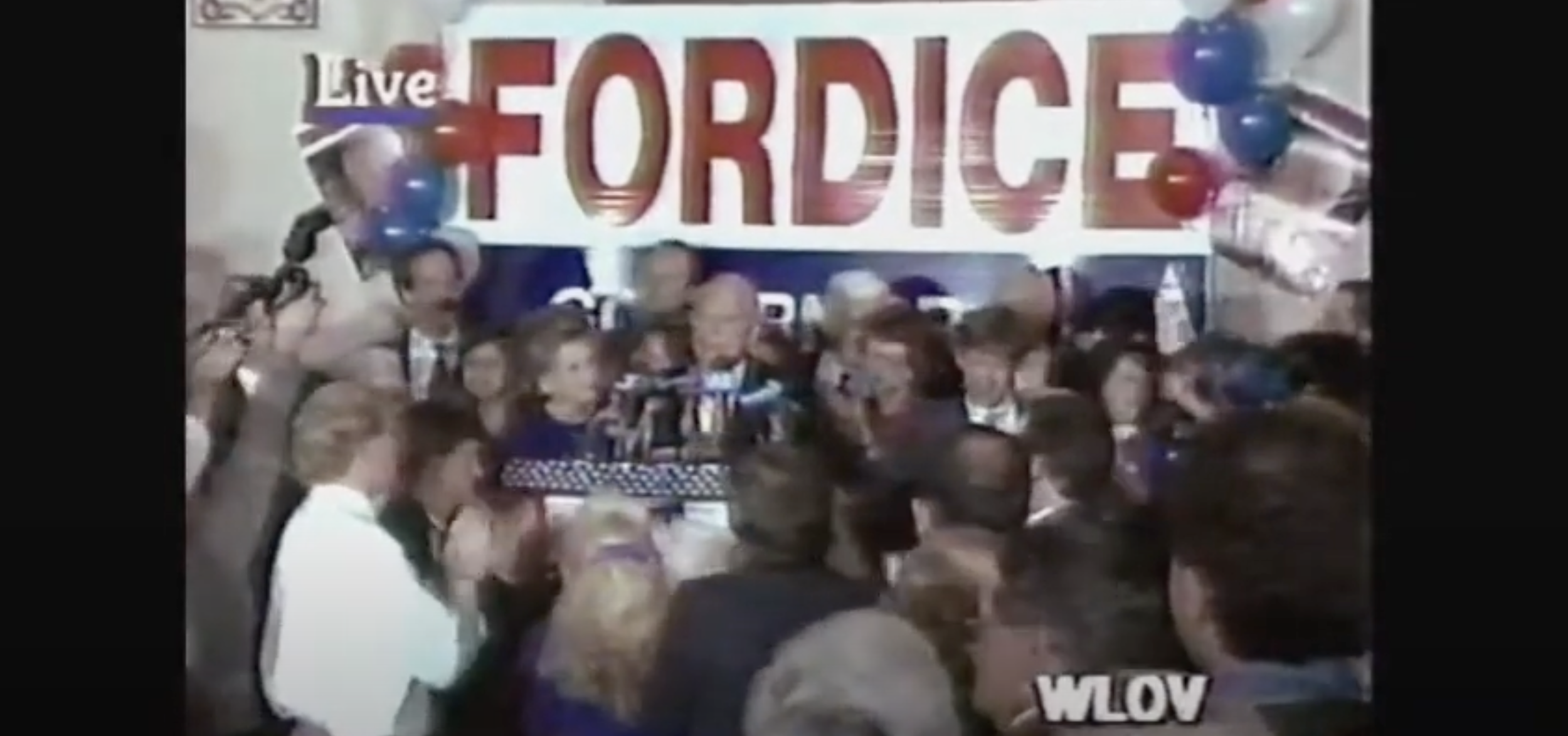
Fast forward to the 8 minute mark to begin the video.

About
our project
Our mission to collect the oral history of Governor Kirk and First Lady Pat Fordice aims to preserve and share the narratives that shaped Mississippi during his administration as Mississippi’s first Republican Governor since Reconstruction. Through interviews and personal stories, we seek to capture the insights and experiences that define Fordice’s legacy, fostering a deeper understanding of his impact on the state’s political landscape and community development. By engaging with citizens and history enthusiasts, we strive to ensure that these important stories are not lost, but rather celebrated and utilized as valuable resources for future generations. We welcome insight from both supporters as well as those who did not share his vision or were not favorable of his administration. Share your story today by clicking below and completing the submission form.
FAQs
-
Yes, it is part of a network of non-profits managed under The Community Leadership Consortium (CLC). You can find the CLC’s IRS Determination Letter, EIN, and GuideStar profile on the CLC website.
-
To capture video and written stories of Governor Fordice’s two terms as governor and the impact of First Lady Pat Fordice’s tenure both in office and after her time as First Lady. Phase Two includes the video recording of the oral history at several locations throughout Mississippi, which began in the winter of 2025. We would expect these recordings to be complete by the summer of 2026.
Phase Two (which is dependent on funding) will include the video recording of the oral history at several locations throughout Mississippi with plans to begin in June of 2025. We would expect these recordings to be done throughout the summer and the fall of 2025.
-
To preserve the memories and stories of both Governor Fordice and First Lady Pat Fordice from the two terms they served in office (1992 - 2000) as well as the campaigns of 1991 and 1995. Historians and political observers take note the election of Kirk Fordice in 1991 was pivotal to understand the modern shift to a Republican majority in Mississippi government so it will be important to include political insight as well. The project hopes to gather oral histories from the people who worked for him, with him, and even against him.
-
The recording of the oral histories will be coordinated through the Fordice History Project. They will be permanently housed at Mississippi State University's Archives and Special Collections Division in the Mississippi Political Collections.
-
Shannon Warnock and Nick Walters are directing the daily operations of the Project. We are governed by the board of directors of The Community Leadership Consortium (CLC).
-
No, there is no charge to participate. We do appreciate any donation you may care to make to help offset the production costs. You can donate by clicking here.
-
Via the CLC, the Project received two grants from the Mississippi Humanities Council to fund this website to identify and to begin the oral histories. Matching funds were made from supporters who made tax-free donations. The funding for the full oral history recordings (which we identify as Phase Two) came from the Mississippi Humanities Council. The use of funds for Phase Two hired researchers, videographers and costs associated with the production of oral histories. There are no salaries paid to any staff or overhead for office space, computer equipment, etc.
-
Yes it is. You will receive a donation thank you and response letter.